
Introduction
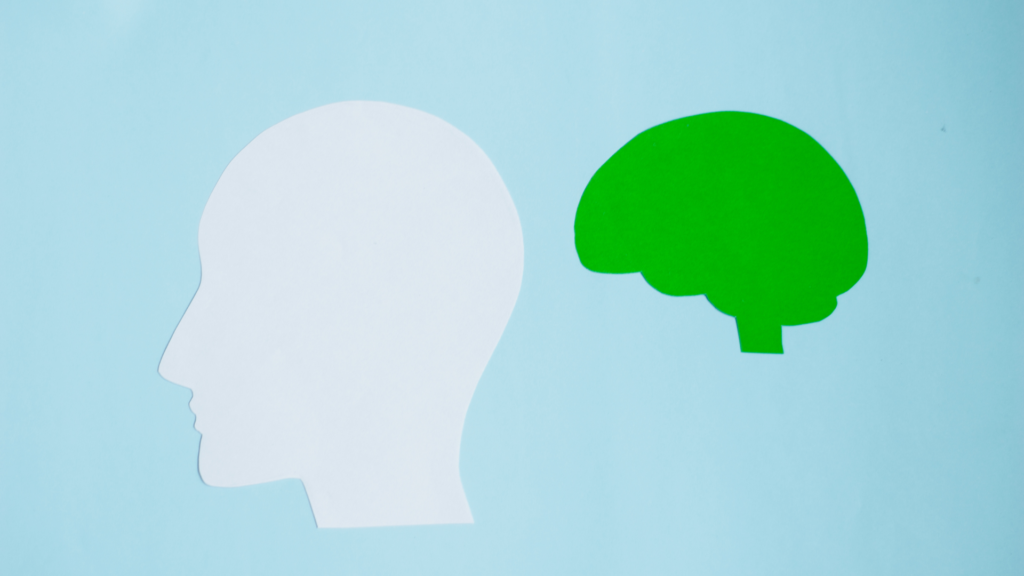
Mental health and addiction are deeply connected, yet this relationship is often misunderstood. Many people struggling with addiction are also silently battling mental health issues such as depression, anxiety, trauma, or stress. Likewise, prolonged substance abuse can trigger or worsen mental health disorders.
This dual struggle creates a dangerous cycle where mental health problems fuel addiction, and addiction further damages mental well-being. Without addressing both together, long-term recovery becomes extremely difficult.
In this blog, we will explore the strong connection between mental health and addiction, common co-occurring disorders, challenges in treatment, and effective approaches for complete nasha mukti and emotional healing.
Understanding the Link Between Mental Health and Addiction
Addiction is not just a physical dependence; it is also a psychological condition. Many individuals use alcohol or drugs to:
- Escape emotional pain
- Reduce anxiety or stress
- Cope with trauma
- Temporarily feel “normal”
This behavior is known as self-medication, and it is one of the main reasons mental health and addiction go hand in hand.
What Are Co-Occurring Disorders?
When a person suffers from both a mental health disorder and a substance use disorder at the same time, it is called a co-occurring disorder or dual diagnosis.
Common examples include:
- Depression and alcohol addiction
- Anxiety and drug addiction
- PTSD and substance abuse
- Bipolar disorder and alcohol dependence
Treating only one condition often leads to relapse.
Common Mental Health Disorders Linked to Addiction
1. Depression
Depression often leads to:
- Alcohol abuse
- Sleeping pill dependence
- Drug misuse
Substances may temporarily numb sadness but eventually worsen depressive symptoms.
2. Anxiety Disorders
People with anxiety may use:
- Alcohol to relax
- Drugs to feel confident
- Sedatives to sleep
Over time, substances increase anxiety levels instead of reducing them.
3. Trauma and PTSD
Individuals with past trauma may use substances to:
- Forget painful memories
- Control emotional flashbacks
Trauma-based addiction requires sensitive and specialized treatment.
4. Stress and Burnout
Chronic stress related to:
- Work pressure
- Financial problems
- Family conflicts
can push individuals toward addiction as an unhealthy coping mechanism.
5. Personality and Mood Disorders
Conditions like bipolar disorder can increase impulsive behavior, making substance abuse more likely without proper treatment.
How Addiction Worsens Mental Health
Substance abuse negatively impacts mental health by:
- Altering brain chemistry
- Increasing mood instability
- Causing paranoia or hallucinations
- Reducing emotional control
Long-term addiction often leads to severe psychological damage.
Why Mental Health Issues Often Go Untreated in Addiction
- Lack of awareness
- Social stigma
- Fear of judgment
- Misdiagnosis
Many people seek help for addiction but never receive mental health support, increasing relapse risk.
The Vicious Cycle of Mental Health and Addiction
- Emotional pain or mental illness begins
- Substance use starts as coping
- Dependency develops
- Mental health worsens
- Increased substance use follows
Breaking this cycle requires addressing both conditions together.
Importance of Integrated Treatment in Nasha Mukti
Integrated treatment focuses on:
- Addiction recovery
- Mental health healing
- Emotional stability
This combined approach improves long-term success and reduces relapse.
Treatment Approaches for Mental Health and Addiction
1. Medical Detox
Detox helps remove substances safely while managing withdrawal symptoms that can worsen mental health.
2. Psychiatric Evaluation
Proper diagnosis ensures:
- Correct treatment
- Medication support if needed
- Personalized recovery planning
3. Individual Therapy
Therapy helps individuals:
- Understand emotional triggers
- Process trauma
- Develop healthy coping skills
4. Cognitive Behavioral Therapy (CBT)
CBT is highly effective in treating:
- Negative thought patterns
- Anxiety
- Depression
- Addiction-related behaviors
5. Group Therapy
Group sessions provide:
- Emotional support
- Shared experiences
- Reduced isolation
Feeling understood plays a powerful role in healing.
6. Medication Support (When Required)
Some mental health conditions require medication, but always under professional supervision to avoid dependency.
Role of Family in Dual Recovery
Family support helps by:
- Reducing emotional stress
- Encouraging treatment continuation
- Creating a stable environment
Family education is essential to avoid blame and misunderstanding.
Challenges in Dual Diagnosis Recovery
- Emotional instability
- Higher relapse risk
- Longer recovery time
- Need for continuous support
Despite challenges, recovery is absolutely achievable with the right care.
Relapse Prevention in Mental Health–Linked Addiction
Effective relapse prevention includes:
- Ongoing therapy
- Stress management techniques
- Emotional awareness
- Support systems
Ignoring mental health increases relapse chances significantly.
Lifestyle Changes That Support Mental Healing
- Regular exercise
- Proper sleep
- Healthy diet
- Meditation or mindfulness
- Structured daily routine
Small changes lead to big improvements.
Breaking the Stigma Around Mental Health and Addiction
Stigma prevents people from seeking help. Society must understand that:
- Mental illness is not weakness
- Addiction is not a choice
- Recovery is possible
Compassion saves lives.
Life After Recovery
Recovery allows individuals to:
- Regain emotional balance
- Improve relationships
- Build confidence
- Live purposefully
Healing the mind strengthens recovery from addiction.
Role of Nasha Mukti Centers in Mental Health Care
Quality centers provide:
- Dual diagnosis treatment
- Trained mental health professionals
- Personalized therapy
- Long-term aftercare
Choosing the right center makes a huge difference.
Myths About Mental Health and Addiction
Myth 1: Addiction causes mental illness
Truth: Both can exist independently or together
Myth 2: Therapy is only for weak people
Truth: Therapy builds strength and clarity
Myth 3: Mental health treatment delays recovery
Truth: It accelerates recovery
Conclusion
Mental health and addiction are deeply interconnected, and treating one without the other is incomplete. True nasha mukti requires healing both the mind and body.
By recognizing emotional pain, seeking integrated treatment, and building strong support systems, individuals can break free from addiction and reclaim a balanced, meaningful life.
Recovery is not just about stopping substance use—it is about restoring mental peace, emotional strength, and hope for the future.