
The Concept of Luck in Gambling
Luck is a pervasive concept in the realm of gambling, particularly within the vibrant atmosphere of casinos. Many players step into these establishments convinced that luck will play a key role in their gaming outcomes, hoping that fortune will smile upon them during their visit. From the spin of the roulette wheel to the flipping of a card, the unpredictable nature of these games often leads individuals to attribute their successes or failures to moments of good or bad luck, such as when they try their hand at a neosurf casino that promises thrilling experiences. This perception can significantly shape a player’s mindset, influencing their decisions and overall experience.
Psychologically, the belief in luck can serve as a double-edged sword. On one hand, players who hold a positive view of their luck may approach games with confidence, making bolder decisions that can enhance their enjoyment and potentially lead to better outcomes. Conversely, this same belief can result in detrimental behavior, as some players may overestimate their luck and engage in riskier activities, such as betting larger amounts than they can afford. This propensity to misjudge luck can cloud one’s judgment, overshadowing the importance of strategy and skill, which are critical components in many games.
However, it’s important to recognize that luck is not a quantifiable entity; rather, it is a perception steeped in human psychology. Research indicates that individuals often attribute their victories to fortunate circumstances while blaming losses on external factors beyond their control. In the context of casino gaming, this means players may leave a table convinced it was “lucky” or “unlucky,” neglecting the underlying elements of skill, probability, and the house edge that also play significant roles in determining outcomes. Therefore, while luck may influence results, it operates within a more complex framework that includes chance, skill, and strategy.
The Role of Skill and Strategy
While discussions of luck are common at casinos, the roles of skill and strategy are paramount in affecting game outcomes. Certain games, such as poker and blackjack, demand a level of expertise and strategic thinking that can often outweigh mere luck. In poker, for example, the ability to read opponents, recognize betting patterns, and decide when to fold or continue can significantly enhance a player’s chances of success, regardless of the initial hand dealt. Here, a player’s skill can truly be a game-changer, shifting the odds in their favor.
Additionally, many casino games feature an inherent house edge, meaning the odds are statistically inclined to favor the casino over time. This house advantage ensures that while players may win in the short term due to luck, the casino will profit in the long run. Understanding this fundamental aspect can empower players to make more informed decisions rather than relying solely on luck. By familiarizing themselves with the rules, strategies, and probabilities of the games they are engaging in, players can enhance their overall experience and mitigate potential losses.
Ultimately, while luck can certainly lead to occasional big wins, those who invest time in developing their skills and understanding the strategies behind the games are more likely to experience consistent results over time. Skilled players often find themselves in a stronger position to capitalize on the opportunities presented by each game, reinforcing the idea that a balanced approach between luck and strategy is essential. It is crucial for players to recognize that while luck may play a part, neglecting the advantages of skill can limit their success at the tables.
Cognitive Biases and Their Effects on Gambling
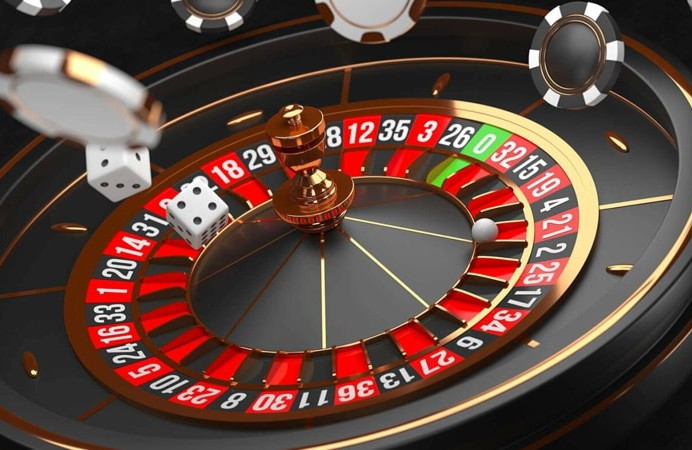
Cognitive biases significantly influence how players perceive luck and outcomes in casinos. One prevalent bias is the “gambler’s fallacy,” where individuals mistakenly believe that past random events can impact future outcomes. For instance, if a roulette wheel has landed on red several times in succession, a player might erroneously conclude that black is “due” to appear next. Such flawed reasoning can lead to misguided betting strategies that fail to align with the actual probabilities of the game.
Another cognitive bias that affects gambling behavior is the “hot-hand fallacy,” which leads players to believe that streaks of good fortune will continue indefinitely. This mindset can result in increased betting during winning streaks, which can be perilous. These biases create a false sense of control, prompting decisions that may not be in the player’s best interest. Recognizing and understanding these biases is crucial for anyone looking to achieve long-term success in gambling.
Awareness of cognitive biases can also aid players in managing their gambling behavior more effectively. By understanding how our thoughts can distort our perceptions of luck and outcomes, individuals can adopt a more realistic approach to gaming. This awareness allows players to mitigate losses and manage their bankroll more prudently, fostering a healthier relationship with gambling. Ultimately, acknowledging these psychological aspects can empower players to navigate the unpredictable landscape of casinos with greater confidence and clarity.
The Impact of Environment on Luck
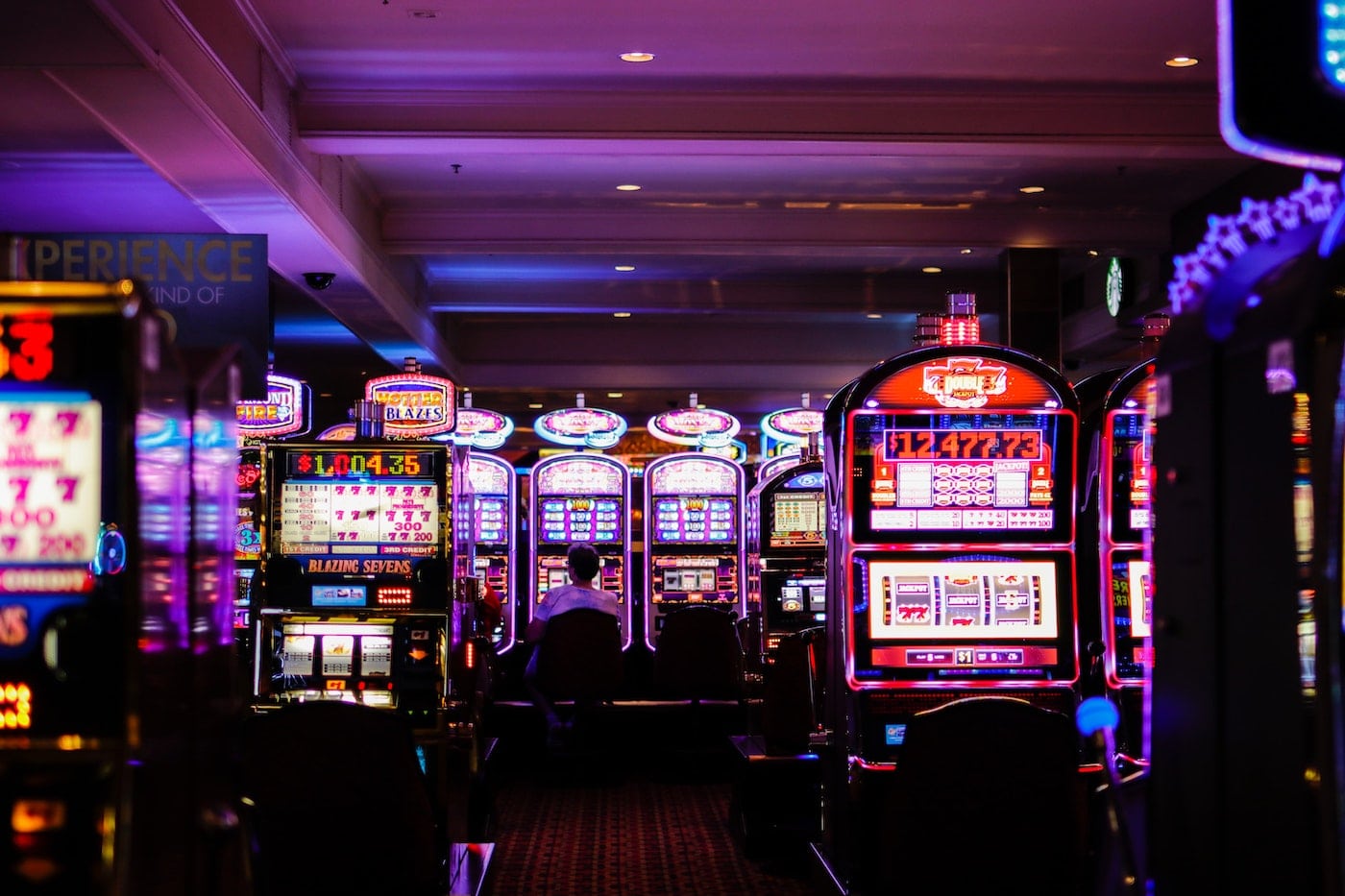
The environment in which players engage with casino games can significantly shape their perceptions of luck. Casinos are meticulously designed to create an immersive atmosphere filled with vibrant lights, captivating sounds, and exhilarating experiences that can alter a player’s state of mind. This sensory overload may amplify feelings of luck, leading individuals to take greater risks as the excitement of the environment can cloud their judgment. Players might feel a surge of luck while surrounded by the bustling energy of a casino, often forgetting the inherent risks involved.
Furthermore, the social context in which one plays can greatly influence their perception of luck. For instance, playing alongside friends can foster a supportive atmosphere that might enhance feelings of fortune and positivity. Conversely, when playing alone, individuals may feel the weight of their decisions more acutely, leading to a belief that they are “unlucky.” This shift in perspective can dramatically impact betting behavior and the overall gaming experience, highlighting the importance of social dynamics in gambling.
Additionally, thematic promotions within casinos can evoke feelings of luck and increase player engagement. Many establishments run events such as lucky draws or special bonuses that can create an illusion of greater winning potential. These marketing strategies effectively engage players, feeding into the belief that luck can be harnessed through participation in specific events or games. Ultimately, the environment plays a key role in shaping how players perceive and interact with the concept of luck while gambling, further complicating the relationship between chance and success.
Conclusion: Balancing Luck and Strategy for Casino Success
In conclusion, while luck undeniably influences casino outcomes, it is crucial to recognize the importance of skill, strategy, and cognitive awareness in shaping experiences. Players who strike a balance between trusting their luck and honing their strategic skills are likely to enjoy a more rewarding and successful casino experience. By being mindful of cognitive biases, understanding the house edge, and developing tailored strategies for specific games, players can position themselves for a more advantageous and satisfying gaming experience.
The intricate interplay between luck and skill in casino gaming necessitates a comprehensive understanding of both elements. By blending a strategic approach with an awareness of the unpredictable nature of luck, players can navigate the exhilarating yet chaotic world of gambling with greater effectiveness. It is this combination of enjoyment, strategy, and understanding that fosters more sustainable gaming habits and can lead to more favorable outcomes over time.
Ultimately, every player’s gaming journey is distinct. Embracing both luck and strategy can enhance the overall experience, fostering a deeper appreciation for the games played. Those who remain curious, adaptable, and well-informed are the players who will thrive within the casino landscape, regardless of the inherent uncertainties posed by chance. By appreciating the nuances of gambling, players can cultivate a more enriching and potentially profitable gaming experience.