
A Complete Modern Approach to Addiction Recovery
Addiction treatment in India has evolved more in the last five years than in the last five decades. Traditionally, Nasha Mukti Kendras relied primarily on counseling, group therapy, and medical supervision. While these methods are still essential, the rise of new technologies has dramatically improved how centres diagnose, monitor, and support patients throughout their recovery journey.
Today’s modern Nasha Mukti Kendras are no longer just rehabilitation centers — they are tech-enabled recovery ecosystems that combine psychology, medicine, artificial intelligence, and digital health innovations to help individuals overcome addiction more effectively.
This blog explores how technology is transforming Nasha Mukti Kendras in India, the benefits, tools being used, and how these advancements create faster, safer, and long-lasting recovery for patients.
1. Digital Admission & Assessment Systems
Earlier, admission processes depended on manual paperwork and verbal assessments. Now, many modern rehab centres use digital assessment tools that analyze:
- Patient medical history
- Usage patterns
- Mental health condition
- Addiction severity levels
- Risk factors
- Behavioural triggers
These tools help the counsellors understand the patient’s exact condition and create a personalized recovery plan.
Some centers use AI-based questionnaires, which detect emotional patterns through voice tone, response speed, and behavioural shifts, giving deeper insights into patient psychology.
2. Biometric Attendance & Behaviour Tracking
To maintain discipline, many centres have introduced:
- Fingerprint or face ID check-ins
- RFID wristbands
- Smart ID cards for movement tracking
This ensures patient safety, reduces chances of unauthorized movement, and assists staff in monitoring daily routines like:
- Meal schedules
- Medication intake
- Therapy attendance
- Sleep and wake timings
The system also creates digital records, making patient monitoring more accurate and transparent.
3. AI-Based Progress Monitoring Tools
One of the biggest transformations is the use of AI progress tracking systems. These tools analyze:
- Mood patterns
- Therapy participation
- Sleep cycles
- Physical activity
- Relapse indicators
- Social behaviour
With AI, counsellors can detect early signs of relapse even before the patient realizes it. For example:
- A sudden decrease in sleep
- Increased irritability
- Withdrawal from group activities
- Sudden emotional changes
AI alerts the staff and allows for immediate intervention, dramatically reducing relapse rates.
4. Telehealth & Virtual Counselling Sessions
Telehealth became popular during COVID-19, but today it is a permanent part of many Nasha Mukti Kendras.
Patients can access:
- Live video consultations
- Online therapy sessions
- Crisis counselling
- Family counselling
- Follow-up sessions from home
This reduces travel barriers and ensures continuous support even after discharge.
Virtual counselling is especially helpful for:
- Students
- Working professionals
- Women with household responsibilities
- Patients from remote areas
Telehealth ensures that recovery does not stop once a patient leaves the centre.
5. Mobile Apps for Daily Recovery Support
Many advanced Nasha Mukti Kendras provide recovery mobile apps that include:
- Daily meditation audio
- Craving-control exercises
- Journaling tools
- Habit trackers
- SOS emergency contacts
- Mood tracking
- Daily tasks & reminders
Patients can log their emotions, cravings, and progress throughout the day.
The app’s data helps counsellors understand the patient’s mental state and provide targeted advice.
Some apps even include AI chatbots that offer 24/7 support, motivation, and grounding exercises during anxious moments.
6. Wearable Devices for Monitoring Health
Smartwatches and fitness trackers are becoming highly useful in rehab centres. They track:
- Heart rate
- Sleep quality
- Stress levels
- Physical activity
- Body energy levels
Wearable data helps doctors and counsellors understand the body’s recovery process. For example:
- Irregular sleep may show withdrawal symptoms
- High heart rate may indicate anxiety or cravings
- Sedentary behaviour may signal depression
This scientific data provides real-time insights, allowing medical teams to adjust treatment plans instantly.
7. Virtual Reality (VR) Therapy for Craving Control
One of the most advanced technologies being adopted is VR Therapy.
VR can simulate real-life situations that may trigger addiction, such as:
- A party environment
- A stressful workplace
- A street where substances were previously consumed
Under supervision, patients face these virtual triggers and practice coping techniques such as:
- Deep breathing
- Self-control
- Emotional regulation
- Mindfulness
VR therapy allows patients to build confidence and self-control before returning to real life.
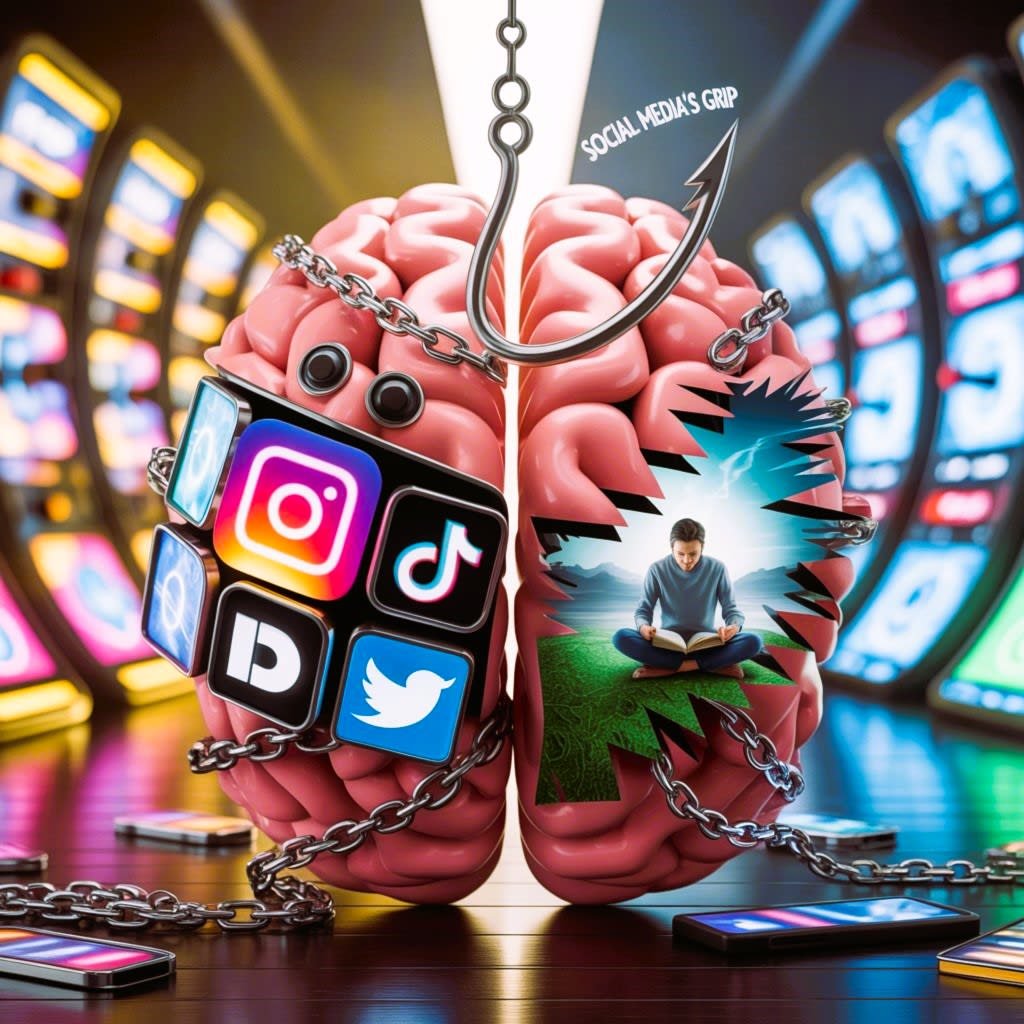
8. Digital Detox Programs for Online Addictions
Addiction is no longer limited to alcohol and drugs. Many individuals are struggling with:
- Gaming addiction
- Social media addiction
- Online gambling
- Smartphone dependency
- OTT binge addiction
Modern Nasha Mukti Kendras now offer Digital Detox Rooms equipped with:
- No-internet zones
- Offline entertainment
- Brain-boosting games
- Mindfulness activities
- Creativity corners
- Therapy for technology dependency
These programs help restore focus, emotional balance, and healthy lifestyle habits.
9. Online Family Support Systems
Family support plays a major role in addiction recovery. With technology, families can:
- Join live therapy sessions
- Attend online workshops
- Access digital recovery guides
- Track patient progress online
- Communicate with counsellors anytime
This transparency helps families understand:
- How addiction works
- How to avoid enabling behaviour
- How to provide emotional support
- How to help prevent relapse
Family involvement improves long-term recovery outcomes significantly.
10. Smart Medication Management Systems
Technology also ensures safe and accurate medication management through:
- Automated medicine dispensers
- Digital medicine reminders
- E-prescriptions
- Misuse alerts
These tools help prevent:
- Overdose
- Medication skipping
- Wrong dosage
- Unauthorized access
This makes the treatment environment safer and more reliable for patients.
11. Data Analytics for Personalized Treatment
Data collected through:
- Apps
- Wearables
- Therapy attendance
- Sleep patterns
- Behaviour logs
…is analyzed to create personalized treatment plans for each patient.
For example:
A patient who struggles with social anxiety may be given more group-support therapy.
A patient who sleeps poorly may get a specialized sleep-recovery program.
Data-driven decisions result in faster and more accurate recovery paths.
12. Smart Safety and Surveillance Systems
Modern Nasha Mukti Kendras use:
- CCTV monitoring
- Panic buttons
- AI alerts for emergencies
- Smart-door sensors
These systems ensure patient safety, prevent accidents, and allow staff to respond immediately in critical situations.
13. Online Aftercare Programs
Even after treatment is complete, technology provides long-term support through:
- Monthly online check-ins
- Digital recovery groups
- Motivational classes
- Online relapse-prevention workshops
This ensures that patients stay connected to a support system and maintain long-term sobriety.
14. Cloud-Based Record Keeping
Paper files are now replaced by:
- Digital medical records
- Cloud-based therapy notes
- Progress charts
- Treatment history
- Confidential patient files
This ensures data security, easy access, and faster coordination between team members.
Conclusion: Technology Is the Future of Addiction Recovery in India
Technology is revolutionizing Nasha Mukti Kendras by making treatment:
- More personalized
- More effective
- More transparent
- More data-driven
- More accessible
- More scientifically advanced
From AI monitoring to VR therapy, from telehealth consultations to wearable tracking — every innovation is helping patients recover faster and build a healthier, addiction-free life.
As technology continues to grow, the future of addiction treatment in India looks brighter, more efficient, and more hopeful than ever before.