
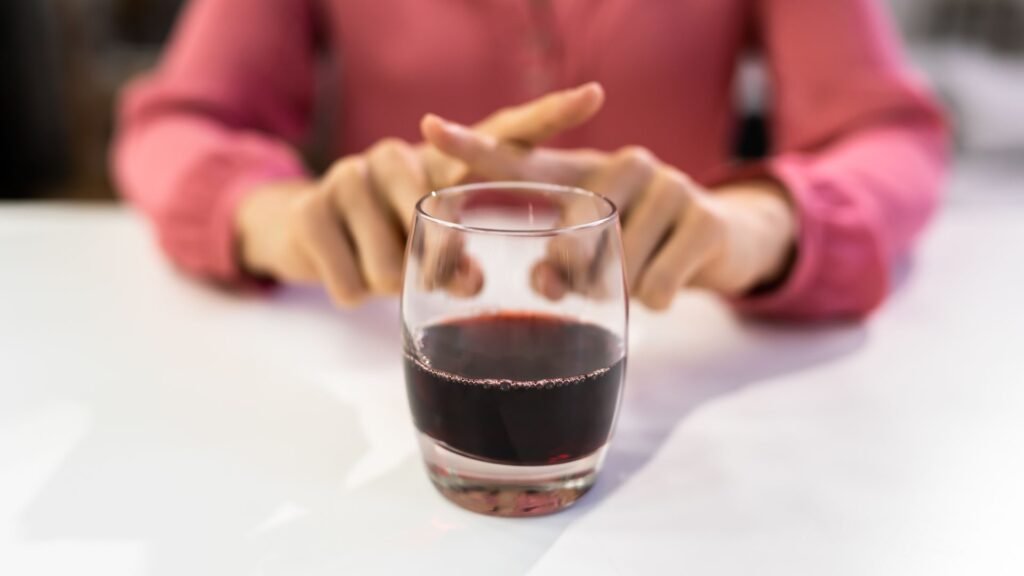
Addiction affects every individual differently, but for women, the experience is often more complex, more hidden, and more emotionally painful. Biological factors, family responsibilities, social pressure, and emotional trauma make addiction in women very different from addiction in men.
This blog explores the unique challenges women face in addiction, why they are more vulnerable, and how modern Nasha Mukti Kendras provide specialized treatment programs designed to help women recover with dignity, safety, and confidence.
Why Women Experience Addiction Differently
Women’s bodies, hormones, emotional patterns, and social roles shape how addiction develops and how recovery happens.
Here are the major differences.
1. Faster Addiction Progression (Telescoping Effect)
Studies show that women become addicted faster than men, even when they consume smaller amounts of alcohol or drugs.
This happens because:
- Women have a higher fat-to-water ratio
- The female liver processes alcohol slower
- Hormones amplify the effect of substances
Result:
Even limited consumption leads to faster dependence.
2. Hormonal Influence on Addiction
Hormones like estrogen and progesterone affect:
- Cravings
- Mood
- Stress response
- Ability to control impulses
During:
- Menstruation
- Pregnancy
- Menopause
- Postpartum
women are more vulnerable to emotional imbalance, which increases addiction risk.
3. Higher Risk Due to Mental Health Conditions
Women are more likely to suffer from:
- Anxiety
- Depression
- PTSD
- Emotional trauma
- Relationship stress
Because of these conditions, they often use substances as a coping mechanism.
4. Trauma & Abuse Are Major Factors
Many women struggling with addiction have a history of:
- Domestic violence
- Emotional abuse
- Sexual assault
- Childhood trauma
- Neglect
These traumas create deep emotional wounds that push women toward alcohol or drugs for emotional numbness.
5. Social Pressure & Judgement
Women are judged more harshly than men for addiction.
Fear of society stops them from seeking help.
They hide their addiction due to:
- Family reputation
- Fear of rejection
- Children’s safety
- Social stigma
- Emotional shame
This isolation worsens the condition.
Common Substances Women Are Addicted To
✔ Alcohol
✔ Sleeping pills
✔ Painkillers
✔ Anti-anxiety tablets
✔ Tobacco
✔ Injection drugs
✔ Illegal drugs (less common but increasing)
Women often start using substances privately to handle emotional stress or physical pain.
Signs of Addiction in Women
Addiction signs in women are often subtle and hidden.
1. Emotional Signs
- Overthinking
- Mood swings
- Loneliness
- Anxiety
- Depression
- Emotional breakdowns
2. Physical Signs
- Sudden weight gain or loss
- Poor sleep
- Shaking hands
- Frequent headaches
- Fatigue
3. Behavioral Signs
- Lying about substance use
- Hiding bottles or medicines
- Avoiding social gatherings
- Neglecting responsibilities
4. Social Signs
- Withdrawal from friends
- Relationship conflicts
- Job issues
If these signs appear consistently, addiction could be the reason.
Unique Challenges Women Face During Recovery
Even when women want to recover, they face challenges that men rarely deal with.
1. Fear for Children
Women worry:
- “Who will take care of my kids?”
- “What will happen if someone finds out?”
- “Will society judge me as a bad mother?”
This fear prevents many women from joining a rehab center.
2. Lack of Family Support
In many households, women are expected to stay quiet, tolerate stress, and maintain the home.
Families often misunderstand addiction as:
- Weakness
- Bad character
- Poor morals
This lack of emotional support pushes women deeper into addiction.
3. Emotional Sensitivity
Women process emotions differently.
Even small triggers can lead to relapse if emotional management is not taught properly.
4. Safety Concerns
Women require:
- A safe rehab environment
- Female counselors
- Privacy
- Emotional comfort
Many avoid treatment because they fear unsafe situations.
5. Relationship Dependence
Women are more emotionally connected to relationships.
Toxic relationships can trigger addiction and prevent recovery.
Why Women Need Specialized Addiction Treatment
Women’s addiction cannot be treated with the same methods used for men.
Rehabilitation programs must be designed specifically for women’s physical, emotional, and psychological needs.
How Nasha Mukti Kendras Provide Women-Centered Treatment
Modern rehab centers offer dedicated programs for women focusing on safety, healing, and emotional balance.
1. Separate Women’s Accommodation
Provides a safe, private space with female staff and security.
2. Female Counselors & Therapists
Women feel more comfortable opening up about:
- Abuse
- Trauma
- Relationships
- Emotional pain
3. Trauma-Focused Therapy
Because trauma is a major cause of addiction in women, therapy includes:
- EMDR
- Cognitive Behavioral Therapy (CBT)
- Mindfulness
- Emotional processing
4. Mental Health Treatment
Dual-diagnosis programs treat:
- Anxiety
- Depression
- PTSD
- Panic disorders
along with addiction.
5. Family Counseling
Helps families understand:
- Addiction is a disease
- Blaming does not help
- Emotional support is essential
- Recovery takes time
6. Yoga & Meditation
Beneficial for:
- Hormonal balance
- Stress relief
- Emotional healing
- Sleep improvement
7. Music & Art Therapy
Helps women express emotions creatively, especially those who have experienced trauma.
8. Parenting Support Programs
Guidance on:
- Managing children
- Rebuilding trust
- Improving communication
- Handling emotional stress at home
9. Relapse Prevention Programs for Women
Triggers for women are different, including:
- Relationship issues
- Loneliness
- Emotional hurt
- Stress from responsibilities
- Hormonal changes
Rehab centers teach coping methods designed specifically for these triggers.
Success Stories: How Women Recovered with Proper Treatment
Case 1:
A 29-year-old woman addicted to sleeping pills due to domestic violence
Recovered through trauma therapy and meditation.
Case 2:
A 40-year-old mother addicted to alcohol
Rebuilt her family relationships through counseling and parenting support.
Case 3:
A young college student addicted to drugs due to emotional abuse
Found confidence again through art therapy and CBT.
These examples show how specialized treatment transforms lives.
How Families Can Support Women in Addiction Recovery
✔ Stop blaming and start understanding
✔ Encourage open conversations
✔ Offer emotional safety
✔ Avoid criticism or harsh comments
✔ Support rehab and treatment
✔ Reduce household stress
✔ Help rebuild confidence
Family support plays a major role in a woman’s recovery.
Preventing Addiction in Women
✔ Teach stress management
✔ Promote emotional wellness
✔ Identify signs early
✔ Provide strong family support
✔ Avoid shaming or judgment
✔ Encourage healthy friendships
With awareness and early help, addiction can be prevented.
Conclusion
Women face unique emotional, physical, and social challenges when dealing with addiction. They often hide their pain due to shame, fear, or lack of support.
Understanding addiction as a disease — not a character flaw — allows families and society to support women with compassion.
Modern Nasha Mukti Kendras provide safe, confidential, and specialized treatment programs designed to heal women holistically.
Recovery is not just possible — it is empowering. With the right support, every woman can rebuild her life with strength, dignity, and confidence.