
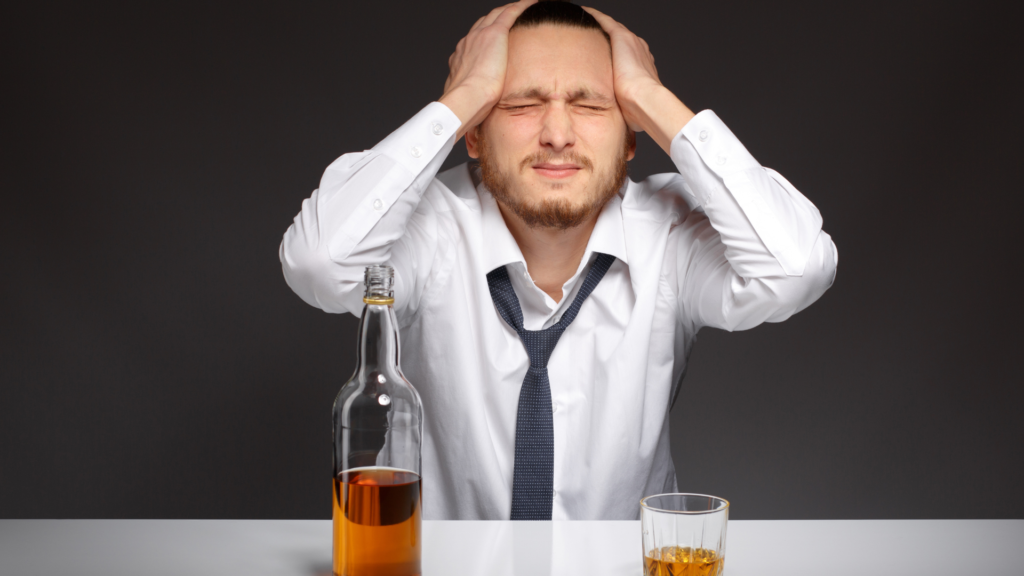
Addiction treatment commonly involves two terms—De-Addiction and Rehabilitation. Many people assume they are the same, but they are not. Understanding the difference is important because each stage plays a different role in recovery. Some individuals quit substances for a few days and believe they are cured, but without rehabilitation, relapse becomes highly likely. Similarly, only rehabilitation without proper de-addiction support leaves the body still craving the substance.
This blog explains the difference between De-Addiction and Rehabilitation, how each works, and why both are necessary for complete recovery.
What is De-Addiction?
De-Addiction focuses on removing the physical dependency on drugs or alcohol. It deals with:
- Detoxification
- Withdrawal management
- Stabilizing the body
- Controlling cravings
In simple words, De-Addiction is about helping the body live without the addictive substance.
Key Features of De-Addiction:
- Medical Detox
Removing toxins and chemicals from the body under medical supervision. - Withdrawal Management
Medications and support are provided to reduce withdrawal pain and discomfort. - Physical Stabilization
The body slowly learns how to function normally again. - Craving Control
Medicines, counseling, and controlled environment help manage cravings.
De-Addiction is the physical part of recovery.
What is Rehabilitation?
Rehabilitation (Rehab) starts after de-addiction. It focuses on:
- Mental healing
- Emotional stability
- Lifestyle change
- Behavioral improvement
- Relapse prevention
Rehabilitation helps the person rebuild life, relationships, confidence, and identity.
Key Features of Rehabilitation:
- Counseling & Therapy
Helps understand emotional triggers and psychological reasons behind addiction. - Group Therapy
Patients share experiences and support each other emotionally. - Behavioral Training
Helps develop self-control, discipline, and positive habits. - Skill Development & Routine Building
Helps patients learn routines, work habits, or even job skills. - Family Counseling
Helps rebuild trust and communication damaged due to addiction.
Rehabilitation is the psychological, emotional, and social part of recovery.
Core Difference Between De-Addiction and Rehabilitation
| Aspect | De-Addiction | Rehabilitation |
|---|---|---|
| Focus | Body and physical dependency | Mind, behavior, emotions, lifestyle |
| Main Goal | Stop substance use safely | Ensure long-term sobriety and healthy living |
| Duration | Short-term (days to weeks) | Longer-term (weeks to months) |
| Method | Detox & medication | Therapy, counseling, routine, skill-building |
| Outcome | Body becomes substance-free | Person learns to live substance-free |
De-Addiction ends dependence. Rehabilitation prevents relapse.
Why De-Addiction Alone is Not Enough
Many people say:
- “I stopped drinking for a week, I am fine now.”
- “He got detox, no need for rehab.”
This belief is risky.
Even if the body stops needing the substance, the mind still remembers the pleasure. Emotional triggers like stress, loneliness, peer pressure, or anger can cause relapse anytime.
Without rehabilitation:
- The person may return to the same old habits
- Stress may push them back to addiction
- Social circles may influence them again
- Emotional pain remains unresolved
This is why 70–90% of people relapse if they skip rehabilitation.
Why Rehabilitation Alone is Not Enough
Some people start counseling but continue using substances. This approach fails because:
- The body is still chemically dependent.
- Withdrawal cravings overpower mental efforts.
- The brain cannot think clearly while intoxicated.
So, Rehabilitation must come after de-addiction.
How De-Addiction and Rehabilitation Work Together
Step 1: Detox (De-Addiction Phase)
- Removes substances
- Controls withdrawal symptoms
- Stabilizes physical health
Step 2: Emotional & Mental Healing (Rehab Phase)
- Counseling to identify emotional triggers
- Group therapy for motivation
- Lifestyle and habit correction
- Family support rebuilding
- Skills for managing stress and cravings
Together, they achieve complete recovery.
Example: A Simple Comparison
Imagine addiction as:
- A thorn stuck in your foot.
De-Addiction removes the thorn.
Rehabilitation teaches you how to walk again without injuring yourself again.
If you remove the thorn but do not learn to walk properly, it will hurt again.
Role of Nasha Mukti Kendras in Both Stages
A good Nasha Mukti Kendra provides both:
- De-Addiction (Medical Detox)
- Rehabilitation (Recovery Programs)
Their services include:
- 24/7 medical supervision
- Professional psychiatrists and counselors
- Yoga and meditation sessions
- Group support meetings
- Art, music, or skill therapy
- Family involvement and progress tracking
- Relapse prevention planning
This ensures recovery is safe, complete, and long-lasting.
What Happens After Completing Rehabilitation?
Recovery does not end when the person leaves the center. Post-rehab support is important to avoid relapse.
Aftercare may include:
- Follow-up counseling
- Regular meetings or support groups
- Avoiding old environments and triggers
- Building healthy routines and habits
Recovery is a lifelong commitment, not a one-time event.
Conclusion
The difference between De-Addiction and Rehabilitation is crucial.
- De-Addiction helps the body stop depending on the substance.
- Rehabilitation helps the mind, emotions, habits, and lifestyle recover.
For complete and lasting recovery, both stages must be completed together. Skipping one increases the risk of relapse. A supportive environment, structured program, and emotional care are key to rebuilding a healthy, confident, and meaningful life.